Elections
Margaret Thatcher was first elected in 1979 then again in 1983 and 1987 with what was variously described as a massive majority and a landslide.
But that description is only made possible by the vagaries of the British electoral system, that massive majority or landslide never consisted of more than 44% of the vote. That means that for every 44 people who voted for her, 56 did not. Some majority!
(We do not actually elect Prime Ministers in the UK. We elect a party and then they chose a Prime Minister, usually but not necessarily the leader of that party.)
The reason for this aberration is the electoral system in the UK which works fine when there are only two parties in contest but rather messes up when there are more leading to unfair representation. Not helped either by both major parties meddling with the boundaries between constituencies to give themselves the best advantage, though none have been as blatant as Conservative controlled Westminster Council who had a policy of moving likely Labour voters out of the constituency to strengthen the Conservative hold.
Margaret Thatcher was first elected in 1979 then again in 1983 and 1987 with what was variously described as a massive majority and a landslide.
But that description is only made possible by the vagaries of the British electoral system, that massive majority or landslide never consisted of more than 44% of the vote. That means that for every 44 people who voted for her, 56 did not. Some majority!
(We do not actually elect Prime Ministers in the UK. We elect a party and then they chose a Prime Minister, usually but not necessarily the leader of that party.)
The reason for this aberration is the electoral system in the UK which works fine when there are only two parties in contest but rather messes up when there are more leading to unfair representation. Not helped either by both major parties meddling with the boundaries between constituencies to give themselves the best advantage, though none have been as blatant as Conservative controlled Westminster Council who had a policy of moving likely Labour voters out of the constituency to strengthen the Conservative hold.
Interest Rates March 1979 to May 2010
 Note the two periods of very high interest rates in 1980 and 1990 were followed by recession.
Note the two periods of very high interest rates in 1980 and 1990 were followed by recession.
Inflation
Great play is made on how she conquered inflation which was at 10% and falling when she came to power in 1979. By 1980 inflation was at nearly 22% and wasn’t back into single figures until 1982. Incidentally, when Thatcher left power in 1990 inflation stood at 10%.
In 1987 when inflation had fallen to 4.2% the UK still had the second highest inflation rate of the G7 countries.
Interest rates were used as a tool to control inflation but had the side effect of plunging the country into recession.
Great play is made on how she conquered inflation which was at 10% and falling when she came to power in 1979. By 1980 inflation was at nearly 22% and wasn’t back into single figures until 1982. Incidentally, when Thatcher left power in 1990 inflation stood at 10%.
In 1987 when inflation had fallen to 4.2% the UK still had the second highest inflation rate of the G7 countries.
Interest rates were used as a tool to control inflation but had the side effect of plunging the country into recession.
The Miners Strike
Much has already been written about the miners strike, it is not my intention to go over it again in great depth, just to explore some of the myths and spin.
The seeds of the miners strike of 1983/4 were sown during the Heath administration ten years previously when the miners forced Heath to an election which he lost.
In 1978, even before she had gained power, Thatcher was planning retribution. On gaining power efforts were concentrated on building up supplies of coal but it wasn’t until after the victory of 1983 that she felt confident to take on the miners.
The miners strike was not the result of a spontaneous decision by the miners at Cortonwood. It was carefully engineered by the tories to break the miners union and to destroy jobs and communities in the process.
There was an agreement in place to gradually close worked out pits. Workers being shed by voluntary redundancies and natural wastage. Thatchers government threw this agreement out.
The cost of policing the strike amounted to nearly £200 million.
The cost in terms of extra public spending and lost revenue was well over £2,000 million.
It was claimed that the mining industry was losing from £100 million to £300 million a year!
~~~~~~~~~~~~~~~~~~~~~~~~~~~~~~~~~~~~~~~~~~~~~~~~~~~~~~~~~~~~~~
"Scargill held the strike without a ballot. How was that possible? The strike was called in Yorkshire: Scargill was not there. When after consultation at mass pithead meetings the national conference was convened to discuss whether to call a national ballot, Arthur did not express a view. He was in the chair and in those days respected its objectivity. He did not have a vote and did not speak. Did anyone even ask anyone about this central allegation? Did they hell.
Scargill walked away from the negotiations and a deal in September 84. What was the deal? What was the stumbling block? What was the union’s view? They do not even ask, let along answer. Arthur tells it differently (though not on this programme, since he was not asked). A deal was in view - we virtually had the whole shooting match - but NCB chair Ian MacGregor went off and phoned Thatcher and when he came back everything agreed hitherto had been taken back."
Much has already been written about the miners strike, it is not my intention to go over it again in great depth, just to explore some of the myths and spin.
The seeds of the miners strike of 1983/4 were sown during the Heath administration ten years previously when the miners forced Heath to an election which he lost.
In 1978, even before she had gained power, Thatcher was planning retribution. On gaining power efforts were concentrated on building up supplies of coal but it wasn’t until after the victory of 1983 that she felt confident to take on the miners.
The miners strike was not the result of a spontaneous decision by the miners at Cortonwood. It was carefully engineered by the tories to break the miners union and to destroy jobs and communities in the process.
There was an agreement in place to gradually close worked out pits. Workers being shed by voluntary redundancies and natural wastage. Thatchers government threw this agreement out.
The cost of policing the strike amounted to nearly £200 million.
The cost in terms of extra public spending and lost revenue was well over £2,000 million.
It was claimed that the mining industry was losing from £100 million to £300 million a year!
~~~~~~~~~~~~~~~~~~~~~~~~~~~~~~~~~~~~~~~~~~~~~~~~~~~~~~~~~~~~~~
"Scargill held the strike without a ballot. How was that possible? The strike was called in Yorkshire: Scargill was not there. When after consultation at mass pithead meetings the national conference was convened to discuss whether to call a national ballot, Arthur did not express a view. He was in the chair and in those days respected its objectivity. He did not have a vote and did not speak. Did anyone even ask anyone about this central allegation? Did they hell.
Scargill walked away from the negotiations and a deal in September 84. What was the deal? What was the stumbling block? What was the union’s view? They do not even ask, let along answer. Arthur tells it differently (though not on this programme, since he was not asked). A deal was in view - we virtually had the whole shooting match - but NCB chair Ian MacGregor went off and phoned Thatcher and when he came back everything agreed hitherto had been taken back."
Who Isn't Working!
 Who would have beleived that in the light of this poster unemployment would soar under Thatcher.
Who would have beleived that in the light of this poster unemployment would soar under Thatcher.
Employment
For one so disparaging of the unemployed Margaret Thatcher did more to increase their ranks than any other Prime Minister since the great Depression.
When she came to power in 1979 unemployment was around 0.9 million. It peaked, officially, at 3.3 million in 1984 and had fallen back to 1.6 million by December 1989.
Unofficially, peak unemployment was calculated at around 5 million.
Many changes were made to the unemployment calculations to reduce the numbers. These included putting many of the unemployed on to long term sickness benefits, a move which still blights us to this day.
There was also juggling of the eligibility dates for unemployment meaning that many short term unemployed were not counted at all.
The destruction of our manufacturing base meant heavy and permanent unemployment, not everybody is cut out to go and work in an office and look good in a suit!
For one so disparaging of the unemployed Margaret Thatcher did more to increase their ranks than any other Prime Minister since the great Depression.
When she came to power in 1979 unemployment was around 0.9 million. It peaked, officially, at 3.3 million in 1984 and had fallen back to 1.6 million by December 1989.
Unofficially, peak unemployment was calculated at around 5 million.
Many changes were made to the unemployment calculations to reduce the numbers. These included putting many of the unemployed on to long term sickness benefits, a move which still blights us to this day.
There was also juggling of the eligibility dates for unemployment meaning that many short term unemployed were not counted at all.
The destruction of our manufacturing base meant heavy and permanent unemployment, not everybody is cut out to go and work in an office and look good in a suit!
Industry
British industry was crippled by a lack of investment, old Victorian machinery went hand in hand with Victorian management practices.
The easiest way to overcome this hurdle whilst still holding on to their money was to blame the unions for stifling development. Whilst this was undoubtedly true in a few cases, as a general rule it wasn’t.
What union would insist on a new factory having old out dated machinery installed even before production had begun? What union would insist on machines being run without safety guards, unless it was to meet unrealistic production goals set by management.
With the advent of North Sea oil Britain had a unique opportunity to update its outmoded industrial infrastructure but instead frittered away revenue of £12 billion a year on tax cuts. Meanwhile the balance of payments slipped further into deficit. Indeed our trade surplus of £2,500 million in 1982 had turned into a deficit of £2,400 million by 1983! And has stayed in deficit ever since.
British industry was crippled by a lack of investment, old Victorian machinery went hand in hand with Victorian management practices.
The easiest way to overcome this hurdle whilst still holding on to their money was to blame the unions for stifling development. Whilst this was undoubtedly true in a few cases, as a general rule it wasn’t.
What union would insist on a new factory having old out dated machinery installed even before production had begun? What union would insist on machines being run without safety guards, unless it was to meet unrealistic production goals set by management.
With the advent of North Sea oil Britain had a unique opportunity to update its outmoded industrial infrastructure but instead frittered away revenue of £12 billion a year on tax cuts. Meanwhile the balance of payments slipped further into deficit. Indeed our trade surplus of £2,500 million in 1982 had turned into a deficit of £2,400 million by 1983! And has stayed in deficit ever since.
Taxation
For a party who claimed at the time to be the party of low taxation the truth is somewhat different.
For most of the 1980s the tax take was actually higher than it had been in 1979 when tax as a percentage of GDP was 38 but rapidly rose to 43% of GDP.
Thatcher’s first action within a month of gaining power was to almost double Value Added Tax from 8% to 15%, a figure that it has never gone below since.
Although she did cut personal taxes, the top rate of tax from 83% to 40%, the lower though from 33% to 25%. There was a massive and divisive disparity between the rich and the poor the top rate being more than halved whilst the lowest rate cut by less than a quarter.
For a party who claimed at the time to be the party of low taxation the truth is somewhat different.
For most of the 1980s the tax take was actually higher than it had been in 1979 when tax as a percentage of GDP was 38 but rapidly rose to 43% of GDP.
Thatcher’s first action within a month of gaining power was to almost double Value Added Tax from 8% to 15%, a figure that it has never gone below since.
Although she did cut personal taxes, the top rate of tax from 83% to 40%, the lower though from 33% to 25%. There was a massive and divisive disparity between the rich and the poor the top rate being more than halved whilst the lowest rate cut by less than a quarter.
Privatisation
Perhaps the biggest blow dealt to the UK was the privatisation of public utilities.
With the rapid rise in the profit element of public services we saw a rapid rise in the number suffering fuel poverty, defined as fuel costs exceeding 10% of income.
Public transport ceased to serve the public as its primary function, instead serving the share holders first.
British Telecom is often touted as the great privatisation success story, but was it? Before privatisation it was forced by the government to keep its prices artificially high to enable private companies to compete. After privatisation it became much more efficient but not as a result of privatisation. Rather it was the fruition of many years of research and development whilst still a state owned company.
Publicly owned companies were sold off at great expense and at well below market value, nominally to the people who already owned them and who then rapidly sold on their shares to private corporations for a fast profit.
British Gas was sold off at £600 million below valuation.
Here are a few other companies and their losses (£m)
- British Aerospace 251
- Cable & Wireless 291
- Amersham International 161
- Britoil 158
- Associated British Ports 36
- Cable & Wireless (2nd tranche) 112
- Associated British Ports (2nd tranche) 5
- Jaguar 25
- British Telecom 1295
That is a loss just on those companies of £2,334 million! (Not including British Gas) £128 million was paid in fees for the privatisation of British Telecom alone!
Perhaps the biggest blow dealt to the UK was the privatisation of public utilities.
With the rapid rise in the profit element of public services we saw a rapid rise in the number suffering fuel poverty, defined as fuel costs exceeding 10% of income.
Public transport ceased to serve the public as its primary function, instead serving the share holders first.
British Telecom is often touted as the great privatisation success story, but was it? Before privatisation it was forced by the government to keep its prices artificially high to enable private companies to compete. After privatisation it became much more efficient but not as a result of privatisation. Rather it was the fruition of many years of research and development whilst still a state owned company.
Publicly owned companies were sold off at great expense and at well below market value, nominally to the people who already owned them and who then rapidly sold on their shares to private corporations for a fast profit.
British Gas was sold off at £600 million below valuation.
Here are a few other companies and their losses (£m)
- British Aerospace 251
- Cable & Wireless 291
- Amersham International 161
- Britoil 158
- Associated British Ports 36
- Cable & Wireless (2nd tranche) 112
- Associated British Ports (2nd tranche) 5
- Jaguar 25
- British Telecom 1295
That is a loss just on those companies of £2,334 million! (Not including British Gas) £128 million was paid in fees for the privatisation of British Telecom alone!
More on Privatisation.
In a recent report (February 2012) it is stated that Britain's railways are the worst in Europe for fares, efficiency and comfort.
The frequency of trains was the only area in which the UK performed better than France, Germany, Spain and Italy said the report.
"In terms of bang for buck, not only does the UK come bottom of the index of outcomes but it also spends a large amount of money to achieve this woeful result" This puts it bottom of the value for money league.
In a recent report (February 2012) it is stated that Britain's railways are the worst in Europe for fares, efficiency and comfort.
The frequency of trains was the only area in which the UK performed better than France, Germany, Spain and Italy said the report.
"In terms of bang for buck, not only does the UK come bottom of the index of outcomes but it also spends a large amount of money to achieve this woeful result" This puts it bottom of the value for money league.
Government
Thatcher, like many others talked of government having too much power and how the power should be devolved back to the people.
So what did she do? She stripped local authorities of their powers and gave them to central government.
Thatcher, like many others talked of government having too much power and how the power should be devolved back to the people.
So what did she do? She stripped local authorities of their powers and gave them to central government.
The Legacy
What does it profit a man if he gains the whole world but loses his soul.
We are undoubtedly a more financially prosperous country than we were in the 1970s but at what cost? Behind the glamour and the glitz there is a second Britain where those who have worked hard for their whole lives but never earned enough to save have to chose between eating and keeping warm. Where kids with no hope deal drugs to try to get involved in the must have culture, where whole generations of families do not know what it is to work., not through lack of will as some would have you believe but through lack of opportunity.
The North South divide is greater than ever, in the home counties there is plenty of work and very little sign of want but move North and see a totally different scene. Gone are the steel works and the coal mines, gone the heavy engineering works where men toiled to make Britain great, gone even are many towns and villages no longer needed for a work force that is no longer needed
What does it profit a man if he gains the whole world but loses his soul.
We are undoubtedly a more financially prosperous country than we were in the 1970s but at what cost? Behind the glamour and the glitz there is a second Britain where those who have worked hard for their whole lives but never earned enough to save have to chose between eating and keeping warm. Where kids with no hope deal drugs to try to get involved in the must have culture, where whole generations of families do not know what it is to work., not through lack of will as some would have you believe but through lack of opportunity.
The North South divide is greater than ever, in the home counties there is plenty of work and very little sign of want but move North and see a totally different scene. Gone are the steel works and the coal mines, gone the heavy engineering works where men toiled to make Britain great, gone even are many towns and villages no longer needed for a work force that is no longer needed

Conclusion
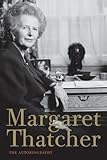
Whilst it is not possible in a work such as this, to cover every aspect of Thatcher’s decimation of the country I have tried to give a broad example and tried to do this as impartially as possible (I am from the North of England!).
My sources include, not in any particular order;-
Breaking the Nation ISBN 0745300200
The Office of National Statistics website
The website of the NUM
The House of Commons Library
The Guardian Newspaper
To mention but a few.
Whilst it is not possible in a work such as this, to cover every aspect of Thatcher’s decimation of the country I have tried to give a broad example and tried to do this as impartially as possible (I am from the North of England!).
My sources include, not in any particular order;-
Breaking the Nation ISBN 0745300200
The Office of National Statistics website
The website of the NUM
The House of Commons Library
The Guardian Newspaper
To mention but a few.

No comments:
Post a Comment